An Overview of How Probate Litigation Risks Can Be Reduced
Litigation over probate can be triggered by a variety of family circumstances. Still, there are two fundamental reasons: families disagree with how to handle a mentally incapacitated

Litigation over probate can be triggered by a variety of family circumstances. Still, there are two fundamental reasons: families disagree with how to handle a mentally incapacitated
In the US, estate administration involves distributing the assets of a deceased individual. This process typically includes
When estate planning is done thoughtfully, probate may be avoided or minimized. In reality, most heirs will have to navigate the probate
Probate is a standard legal procedure that formalizes how some assets pass from a deceased person to his or her chosen heirs or beneficiaries. Whether or not you require probate depends on the type of property and how you own it, and the state laws in which you live. While probate can be a complex process for vast estates, it is a simple formality for most Americans. Essentially, probate allows a judge to give legal permission for assets to pass whether or not there is a last will.
As part of the probate process, a will is recognized and recognized as valid by the court, a personal representative (executor) is appointed, and assets are distributed to intended beneficiaries. It also requires paying the decedent’s outstanding debts and federal and state taxes. Each state has different laws determining if probate is necessary or can be expedited, whether the fiduciary requires bonding, and what reports must be prepared. The probate experience is unique, as no two wills are the same.
A will specifies a personal representative (executor) who will publicly make the date of death of the testator public (normally through a local newspaper). In part, this information serves as notice to creditors if the decedent has an outstanding debt with them. The personal representative must also make a reasonable effort to notify ascertainable creditors.
Despite sounding complex and expensive, probate is a standard legal process that transfers assets from decedents to their chosen beneficiaries or heirs. Whether or not you require probate depends on the type of property and how you own it, and the state laws in which you live. While probate can be a complex process for vast estates, it is a simple formality for most Americans. Essentially, probate allows a judge to give legal permission for assets to pass whether or not there is a last will.

Knowing the lawyer’s role is one of the first steps you should take when starting the probate process, no matter if you’re the Executor or an heir. One of the biggest sources of conflict in probating the estate is understanding the role of the lawyer hired by the Executor of a probate estate. Many Executors do not understand the probate process and leave the tasks up to the lawyer. The heirs of the estate may hear only from the lawyer or may hear the Executor say, “This is what the lawyer says we have to do.” This often raises the question, does the lawyer owe a fiduciary duty to the heirs of the estate since the Executor owes a fiduciary duty to the heirs?
By avoiding probate through legal methods, you can save taxes, keep your estate out of public view, and avoid needing court approval every step of the way. It can save you time, frustration, and in many cases, significant attorney and court fees. Your personal representative sometimes referred to as an executor, must formally notify all your creditors of your death. This action is one of the first steps in the probate process. Often this is as simple as placing a notice of death in a local newspaper(s) to which creditors respond and file a timely claim to the probate court for estate payment of the said claim.
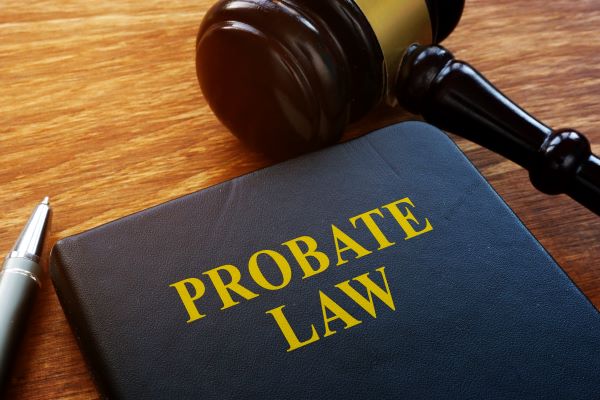
An estate is probated when a deceased person’s will is authenticated, their assets are inspected, their debts are paid, their taxes are paid, and their remaining assets are distributed to their beneficiaries. After an asset-holder dies, the court will appoint a valid will’s executor to administer the probate process. In the absence of a will, the court will appoint a state administrator to handle probate. Probate law varies by state, but there are steps in the process that are common.